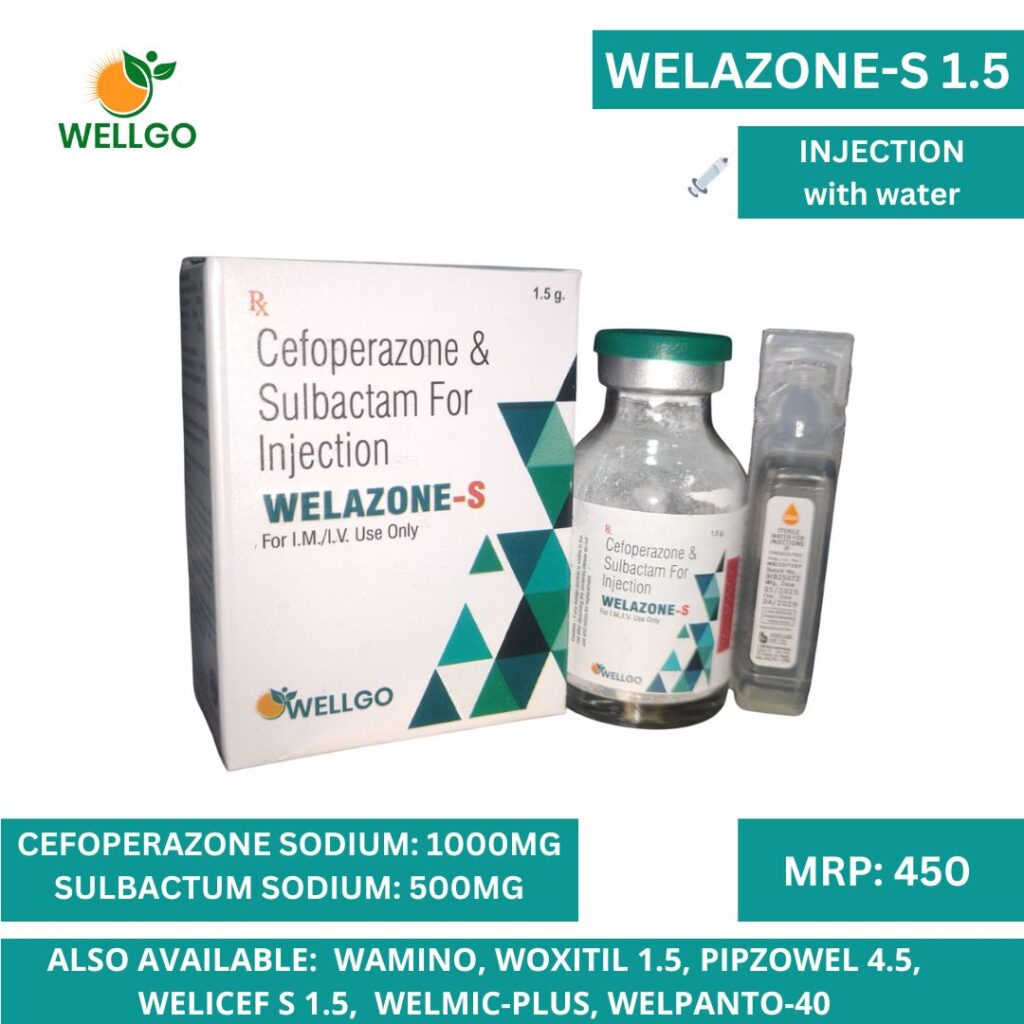
WELAZONE S 1.5 is an injectable Cefoperazone-Sulbactam antibacterial formulation designed for selected serious bacterial infections requiring parenteral therapy. By combining a third-generation cephalosporin with beta-lactamase inhibition, it provides complementary antibacterial action and a useful therapeutic option for hospital and institutional practice. Its strong clinical positioning makes it an important component of a comprehensive PCD Pharma Injectable Antibiotic portfolio.
Selected moderate to severe susceptible bacterial infections requiring parenteral treatment.
It inhibits certain beta-lactamases and helps preserve Cefoperazone activity.
No, antibiotics should not be used for uncomplicated viral illnesses.
Use only under physician supervision after assessment of allergy history, infection severity and relevant organ function. Monitor hepatic and clinical parameters when indicated. Particular attention may be warranted in patients with coagulation abnormalities, malnutrition or prolonged antibiotic exposure. Complete the prescribed treatment and review therapy according to microbiological response and clinical improvement.
Diarrhea, nausea, vomiting, abdominal discomfort, rash, headache and injection-site reactions may occur. Hypersensitivity is possible in patients allergic to beta-lactam antibiotics. Cefoperazone may also be associated with changes in liver or coagulation parameters in susceptible patients, particularly during prolonged therapy. Persistent diarrhea, unusual bleeding, severe rash or breathing difficulty requires prompt medical assessment and appropriate treatment.
WELAZONE S 1.5: Cefoperazone is a third-generation cephalosporin that inhibits bacterial cell-wall synthesis by binding to penicillin-binding proteins, weakening susceptible bacterial cell walls and causing bacterial death. Sulbactam inhibits susceptible beta-lactamase enzymes, helping protect Cefoperazone from enzymatic breakdown. This complementary mechanism can improve activity against selected beta-lactamase-producing organisms and broaden the antibacterial utility of the combination.