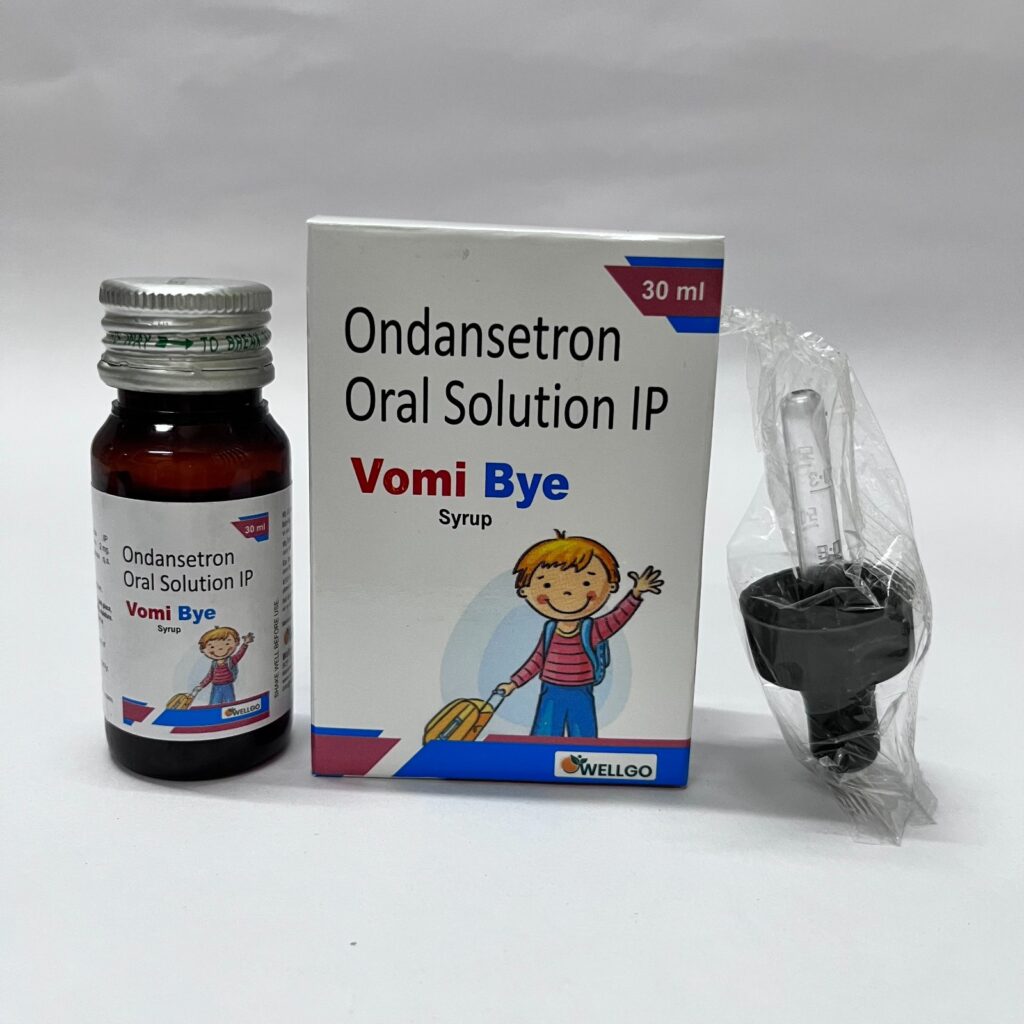
VOMIBYE Drops contains Ondansetron 2 mg in a convenient liquid presentation for paediatric antiemetic support. It is designed to help control nausea and vomiting in appropriately selected clinical situations, providing a practical oral dosage form for children who may have difficulty swallowing tablets. Its targeted therapeutic positioning makes it a valuable addition to the PCD Pharma Paediatric Gastro & Anti-Emetic portfolio.
Prevention and treatment of nausea and vomiting in appropriate clinical settings.
No, it controls the vomiting response while the underlying cause still requires assessment.
Appropriate use depends on age, indication, dose and physician recommendation.
Administer only at the prescribed paediatric dose and use the supplied dropper for accurate measurement. Review the child’s medical history for heart-rhythm disorders and interacting medicines before use. Persistent vomiting with dehydration, severe abdominal pain, blood in vomit or altered consciousness requires immediate medical evaluation rather than repeated symptomatic treatment.
Ondansetron is generally well tolerated, but children may experience headache, constipation, dizziness, fatigue or abdominal discomfort. Some patients may develop transient changes in bowel habits. An important but uncommon concern is QT-interval prolongation, which may increase the risk of abnormal heart rhythm in predisposed individuals or when combined with interacting medicines. Severe palpitations, fainting or unusual cardiac symptoms require urgent medical attention.
VOMIBYE: Ondansetron is a selective 5-HT3 serotonin-receptor antagonist that blocks serotonin-mediated signals involved in triggering nausea and vomiting. By acting on receptors in both the gastrointestinal tract and central vomiting pathways, it helps interrupt the emetic reflex. This mechanism provides effective antiemetic support in appropriate clinical situations where nausea and vomiting require pharmacological management, including certain postoperative or treatment-related causes.